
A Comprehensive Guide to Choosing the Best Hardwood Floor
Published January 19, 2026 | By Hartco® Flooring Experts
Hardwood flooring isn’t just a practical upgrade; it’s also a stylish addition. It’s one of the most emotionally resonant changes you can make to your home.
It transforms the way a space looks, feels underfoot, and even the value your home holds in the eyes of potential buyers.
In fact, hardwood floors top the home features Americans are most interested in. Over half (54%) of home hunters would be willing to pay more for a home with hardwood floors. Moreover, 64% of homeowners who install hardwoods themselves find that it makes their homes more enjoyable (Frontdoor).
That’s no fluke. Hardwood delivers.
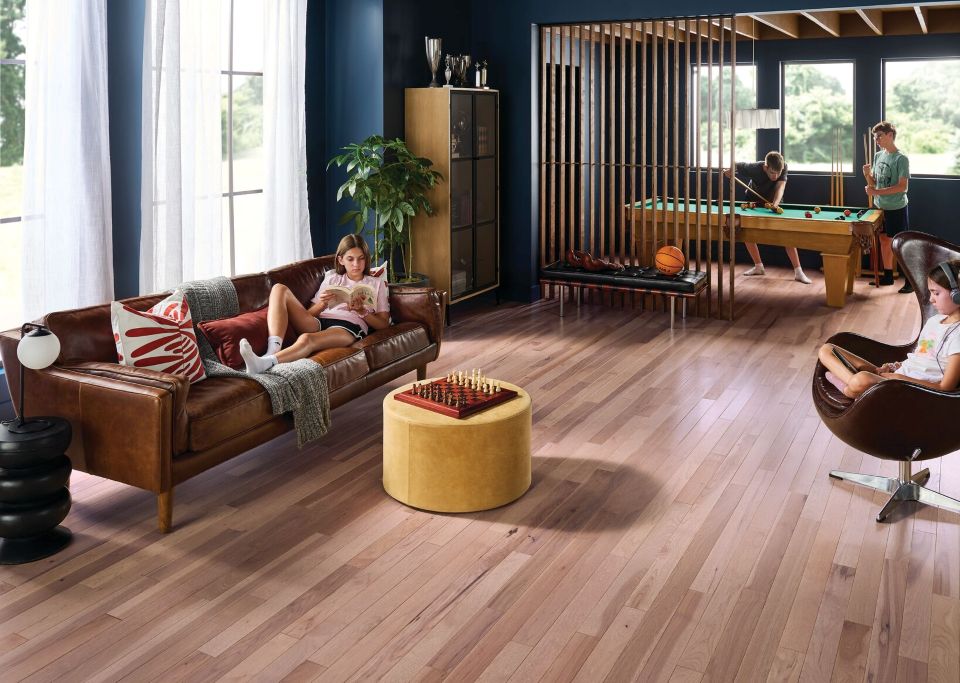
Feeling Overwhelmed by All the Wood Flooring Options?
Let’s be honest. Choosing the right hardwood floor can feel overwhelming. You’ve got plank widths, finishes, colors, species, textures, and more to consider.
And one wrong move, like choosing a species that scratches too easily for your lifestyle, can turn your dream floor into a regret.
That’s why we created this guide. Whether you’re renovating, building new, or just dreaming for now, we’re here to walk you through the decisions, one step at a time.
“Homeowners today expect more from their floors than ever before—beauty, resilience, and sustainability all matter. Fortunately, modern hardwood delivers on all three.” – Devon McGrorty, Marketing Manager, AHF.
Key Takeaways – Choosing the Best Hardwood Floor
- Solid vs. Engineered: Solid offers timeless beauty and refinishability; engineered provides stability in basements or moisture-prone spaces.
- Species Matters: Oak for versatility, Hickory for toughness, Walnut for elegance — each brings a different character to your home.
- Trends: Warm tones, wide planks, matte finishes, and sustainable options are defining style.
- Lifestyle Fit: Families with pets or kids benefit from harder species, matte finishes, and Hartco’s Dogwood® Pro — a densified wood floor with unmatched scratch, dent, and water resistance.
- Innovative Solutions: For moisture-prone areas, Hartco’s HydroBlok® engineered hardwood offers waterproof protection without sacrificing style.
Solid vs. Engineered Hardwood: What You Need to Know
The first choice you’ll face? Solid or engineered hardwood flooring. And no, one isn’t automatically better than the other. It depends on your home and how you live in it.
Solid hardwood is exactly what it sounds like: a single piece of wood, all the way through. You can sand and refinish it multiple times over the decades, extending its life. It’s classic, durable, and long-lasting.
But there’s one catch. It doesn’t like moisture. Exposing it to high humidity or consistent spills can cause it to warp.
Engineered hardwood has a real-wood top layer bonded to multiple layers of plywood or fiberboard. It appears to be solid hardwood on the surface, but it offers greater stability in areas where humidity or temperature fluctuations are typical.
It also offers different installation options, depending on the application and experience level. For instance, you can nail it to a solid wood subfloor. Alternatively, you can glue or float the flooring to simplify installation.
Which to choose:
- Ground floor or upstairs with stable conditions? Go with what you love, solid hardwood.
- Basement, concrete slab, radiant heating? Engineered wood is your best friend.
Can You Put Hardwood in the Kitchen?
Yes, and many do. Today’s hardwood floors can withstand the rigors of kitchen life, including spills and everyday wear and tear.
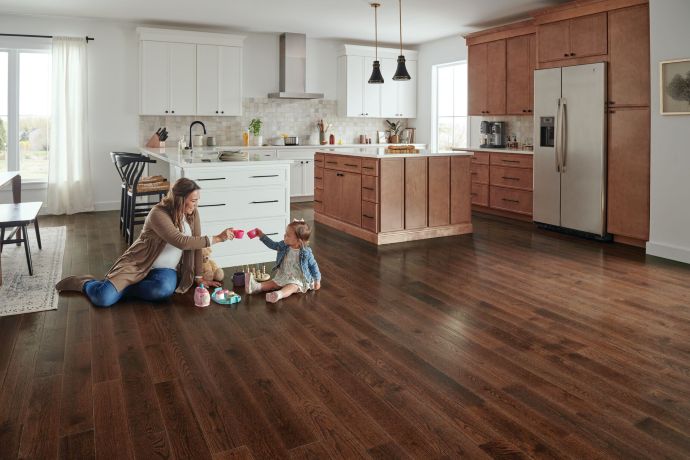
That’s especially true of engineered varieties with advanced protective finishes, like aluminum oxide. Just be prepared to clean up messes quickly. Although engineered hardwood can withstand some water, it’s only water-resistant, not waterproof. Standing water can still damage the floor.
Bathrooms and laundry rooms? That’s where we draw the line. Constant moisture and standing water don’t play well with wood.
Waterproof Engineered Hardwoods for Moisture-Prone Spaces
If you’re set on wood flooring in your bathroom, however, Hartco® offers a waterproof engineered hardwood, HydroBlok®. It includes an innovative, three-part system that protects your wood floors from water damage.
It also has antimicrobial protection with Cleantivity™, which protects against:
- Bacteria that can cause odors
- Mold and mildew that can damage your floors
Don’t Forget the Environment
It’s easy to get caught up in colors, textures, and trends. But how your floor interacts with your home’s environment can make or break your satisfaction over time.
Where and how you install a floor affects everything from temperature control to the rate at which your floor ages.
Here’s what to consider before you commit:
Sunlight Exposure
If your room gets a lot of direct sunlight, that gorgeous dark walnut might not age the way you expect. Darker woods absorb more heat and can fade unevenly over time.
Lighter or medium-toned woods tend to be more forgiving in sunny spaces and can help keep rooms cooler. That’s especially true in warmer climates or sun-drenched spaces, such as sunrooms and great rooms.
Tip: Ask about UV-protective finishes or window treatments if you prefer a darker tone for a bright space.
Room Orientation & Lighting
Natural light changes throughout the day, and artificial light can dramatically shift the tone of your floors. What looks warm and rich in a showroom may feel cool or washed out under the lighting in your home.
Always bring home large samples and view them:
- In the actual room you’re renovating
- During morning, afternoon, and evening light
- Next to your walls, cabinets, and upholstery
You’ll be amazed at how much the same wood can shift in tone.
Humidity & Temperature Swings
Not all wood reacts the same to changes in moisture or climate. If you live in an area with high humidity or harsh winters, engineered hardwood is often the safer bet. Its layered construction resists warping and expansion better than solid wood.
Floor Functionality by Room
Different rooms demand different things from your floors:
- Entryways and kitchens: Look for water-resistant or textured options that hide wear and tear.
- Bedrooms and offices: You can prioritize comfort and warmth.
- Basements or below-grade rooms: Stick with engineered wood or resilient alternatives, as solid hardwood won’t hold up as well.
Choosing a Wood Species
The species of wood you choose will shape your floor’s personality—its color, grain, hardness, and how it wears over time. Think of species as the DNA of your hardwood floor. Get it right, and everything else falls into place.
“Species is where form meets function. It’s not just about how your floor looks, but how it lives with you.” – Devon McGrorty, Marketing Manager, AHF.
Popular Species at a Glance
Species |
Color/Look |
Grain |
Janka Hardness |
Best For |
Oak (Red/White) |
Neutral to warm |
Visible grain (Red more pronounced) |
1,290–1,360 |
High-traffic, versatile styles |
Hickory |
Bold color variation |
Dramatic, rustic |
1,820 |
Pets, kids, farmhouse styles |
Maple |
Light, clean |
Subtle |
1,450 |
Modern, Scandinavian looks |
Walnut |
Rich, dark brown |
Flowing, elegant |
1,010 |
Formal spaces, lighter traffic |
Cherry |
Reddish, darkens over time |
Fine, smooth |
950 |
Low-traffic, warm character |
Popular Domestic Species
Here are a few of the most popular domestic hardwoods and why homeowners love them:
- Oak: America’s go-to hardwood. White Oak feels light and modern, Red Oak brings warmth and tradition. Both are versatile and durable.
- Hickory: Bold, rustic, and extremely tough. Perfect for active households and farmhouse vibes.
- Maple: Clean, subtle, and modern with a sleek grain. Great for contemporary looks.
- Walnut: Rich and elegant, with flowing grain. Softer, so best for formal or low-traffic rooms.
- Cherry: Warm reddish tones that deepen with age. Gorgeous, but softer and more suited for low-traffic spaces.
Not sure where to start?
Ask yourself:
- Do I want the floor to stand out or fade into the background?
- Will this room see a lot of foot traffic or be a peaceful retreat?
- Do I want the wood’s natural color, or will I be staining it?
Trends Impacting Hardwood Selection
If you like to stay on top of trends, here are a few that might impact your choice. Just remember, it’s your floor.
Hardwood isn’t just a foundation for your decor—it can set the entire tone of your home. The latest trends are driven not just by looks, but by how people want to feel in their homes.
Warm Tones Are In
After years of cool grays, homeowners are leaning into cozy, natural shades like honey oak, soft chestnut, and warm walnut. These tones create a sense of comfort, connection, and home.
Go Wide or Go Home
Wider planks are everywhere, and for good reason. They create spaces that feel more open, modern, and luxurious. Plus, they showcase the wood’s grain in a way that narrow strips never could.
Adding Personality to Your Floors With Pattern
Herringbone, chevron, and parquet layouts aren’t just for grand estates anymore. A patterned floor brings movement, texture, and an elevated feel to entryways, dining rooms, and even bedrooms.
Matte Is the New Gloss
Glossy floors may look fancy, but they show every footprint and scuff. Matte and low-sheen finishes offer a softer, more natural look. And they’re much easier to live with.
Texture Tells a Story
Wire-brushed, hand-scraped, or lightly distressed planks add visual interest and character. Better yet, they disguise the wear and tear of daily life.
Performance-Driven Hardwood
Beyond style, homeowners are asking more from their floors — scratch resistance, dent protection, even waterproofing. That demand has fueled a new wave of innovation.
For example, Hartco’s Dogwood® Pro uses densified wood technology to more than double the hardness of traditional hardwood. It also includes water-resistant properties and antimicrobial, a game-changer for active households.
Eco-Friendly Is Expected
Green Builder’s COGNITION Smart Data survey found that the top priorities for consumers when choosing products are that they are:
- Nontoxic
- Made with recycled materials
- Made with sustainably harvested materials
- PVC-free
- Recyclable

Source: Green Builder
Choose a Hardwood That Fits How You Live
Your home should complement your lifestyle, not clash with it. The right hardwood floor isn’t just about looks. It’s about making everyday life easier, cleaner, and more enjoyable.
Whether your encounter muddy paws, running toddlers, or a constant parade of foot traffic, there’s a hardwood solution that fits your world without sacrificing beauty.
Let’s break down what matters most, based on how you live:
Got Pets or Kids?
Life gets messy, and that’s okay. If you’ve got pets chasing tennis balls or little ones dragging toys across the floor, you’ll want a surface that can handle the chaos.
- Choose harder wood species like hickory or oak (red or white) for built-in resistance to dents and scratches.
- Opt for matte finishes, which disguise smudges and scuffs far better than glossy floors.
- Lean into texture. Wire-brushed or hand-scraped surfaces are more forgiving, helping everyday wear blend in rather than stand out.
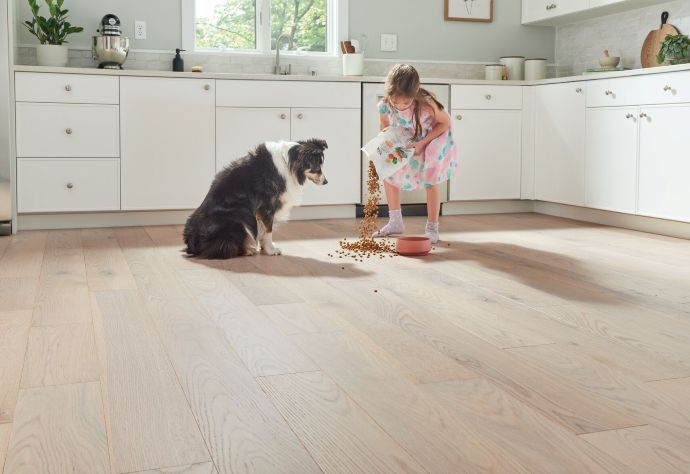
For the best wood flooring for pets, consider Dogwood Pro. It features densified wood technology, which more than doubles the hardness of standard wood flooring. It provides:
- Four times the scratch resistance
- Six times the dent resistance
- Water-resistant properties
- Protection against bacteria, mold, and mildew
High-Traffic Household?
If your home feels more like a thoroughfare, you need flooring that doesn’t flinch under pressure.
- Choose high-performance finishes, such as aluminum oxide or acrylic-infused coatings, for enhanced scratch resistance and durability.
- Consider engineered hardwood. Its layered construction improves stability in high-use areas and fluctuating environments.
Want Low-Maintenance Flooring?
Maybe you don’t want to think about your floors every day. And that’s totally fair. Select options that operate quietly in the background while still maintaining a great appearance.
- Go for matte or satin finishes to reduce visible dust, smudges, and footprints.
- Use texture to your advantage. Textured wood masks everyday messes and minimizes the appearance of wear over time.
Wood Flooring Styles: Don’t Overlook Details
Hardwood floors may cover every inch of your space. But it’s the most minor details that shape how that space feels. These aren’t just technical specs. They’re the difference between a floor that feels generic and one that feels like you.
Every choice—color, grain, width, edge, finish—tells a subtle story. It’s what separates a house from a home. It’s how a quiet blonde oak makes your kitchen feel more open, or how a floor with deep knots and mineral streaks brings soul and warmth to your living room.
Choose a Floor with Personality
If you want a floor with personality, here’s where to start:
- Color & Grain: Lighter tones create an open, relaxed vibe. Darker tones feel grounded and dramatic. Visible grain adds depth and character. Hickory, for example, has an incredible personality, with dramatic color variations from light blonde to deep brown and prominent grain patterns, including knots and markings.
- Character Grade: Love rustic charm? Go for knots, streaks, and natural variation. Prefer polished and modern? Clear, consistent grades are the way to go.
- Board Width: Wide planks feel luxurious and contemporary. Mixed-width designs bring in a handcrafted, vintage appeal.
- Edge Style: Beveled edges highlight each board, adding dimension. Square edges provide a smooth, seamless appearance.
Tip: Samples can look wildly different under your home’s lighting. Always test them in your actual space. Morning light, evening shadows—every hour tells a new story.
Should You Choose Prefinished or Unfinished Hardwood?
If you’re wondering whether to go with prefinished or unfinished hardwood, you’re not alone. It’s one of the first big decisions in the buying process.
In most modern homes, prefinished flooring is the better choice for good reason.
“Most homeowners today choose prefinished floors because they want durability without the disruption. But for those who want a one-of-a-kind, seamless look, unfinished still has its place.” – Devon McGrorty, Marketing Manager, AHF.
Prefinished vs. Unfinished Hardwood
Feature |
Prefinished |
Unfinished |
Installation |
Faster, cleaner |
Longer, messier |
Durability |
Factory UV-cured, stronger |
Less durable than the factory finish |
Customization |
Limited (choose from options) |
Unlimited (color, finish, edge) |
Appearance |
Micro-bevels visible |
Seamless, wall-to-wall look |
Best For |
Most homeowners |
High-end custom builds |
Prefinished Hardwood
Prefinished hardwood is stained and sealed in a controlled factory environment. That means:
- Faster, cleaner installation. No sanding or finishing fumes in your home. Just click, nail, or glue down and go.
- Stronger, longer-lasting finishes. Factory-applied topcoats are cured under UV light and often incorporate advanced technologies, such as aluminum oxide, to enhance durability.
- Consistent color and sheen. What you see in the sample is more consistent with what you’ll see in the installed floor.
It’s also the more convenient option for families who don’t want the disruption or dust of an on-site finishing process.
Learn more about prefinished hardwoods.
Unfinished Hardwood
That said, unfinished hardwood still has its place. Unfinished flooring is especially beneficial in high-end custom builds or historical renovations where ultimate control over color, finish, and edge detailing is critical.
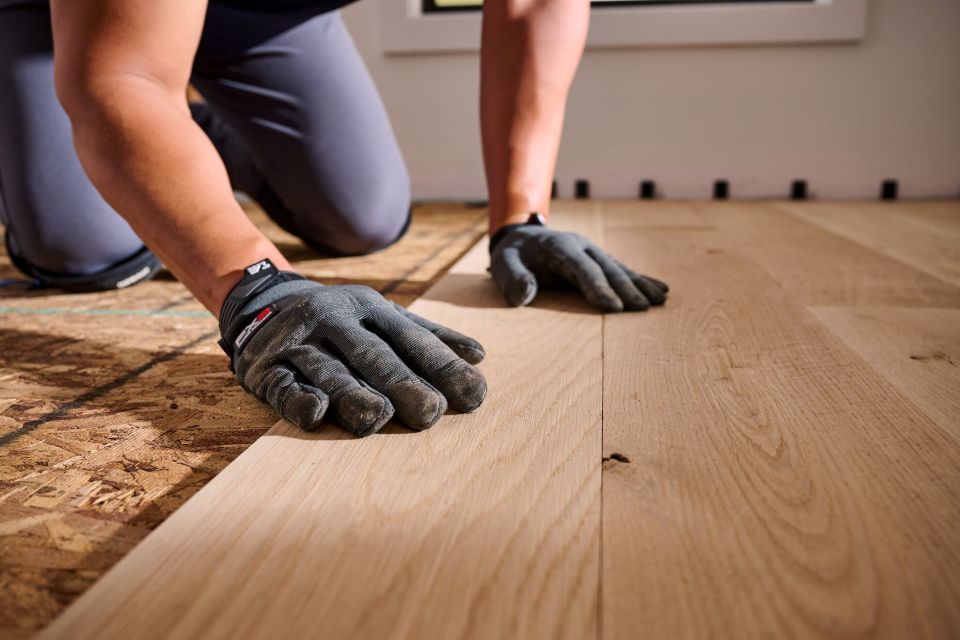
Unfinished floors are installed raw and then sanded, stained, and sealed on-site. They allow for:
- Seamless, wall-to-wall finish without micro-bevels
- Custom stain blending to match cabinetry or existing wood
- Specialty finishes like oil-based or European hardwax
There is a tradeoff, however. Site-finished floors require more time, labor, and significantly more cleanup. Drying and curing times can delay move-in, and the finish won’t be as tough as a factory-cured topcoat.
Prefinished vs. Unfinished – The Bottom Line
If you want a faster, cleaner, and lower-maintenance option that still delivers beauty and durability, go with prefinished. If your project demands a highly customized or seamless look and you’re willing to invest the time and labor, unfinished might be worth it.
Choose a Hardwood Floor That Grows With You
Choosing hardwood is more than picking a finish or a color. It’s choosing how your home feels for years to come. The right floor will ground your space, reflect your personality, and adapt to the life you build on top of it.
“We’re seeing a shift from buying what’s available to designing what’s personal. Flooring isn’t just a backdrop anymore. It’s a statement.” – Devon McGrorty, Marketing Manager, AHF.
At Hartco®, we understand that better than most. As specialists in real hardwood flooring, we’re committed to helping you find a floor that isn’t just beautiful today, but still feels right five, ten, or twenty years from now.
From timeless American species like oak and hickory to on-trend finishes and water-resistant innovations, every collection we offer is built to meet real-life needs without sacrificing character.
Ready to take the next step? Start with a sample. Walk on it barefoot. Look at it morning and night. Hardwood is personal, and choosing the right one is worth every step.
Find a Hartco retailer near you to start your journey.